

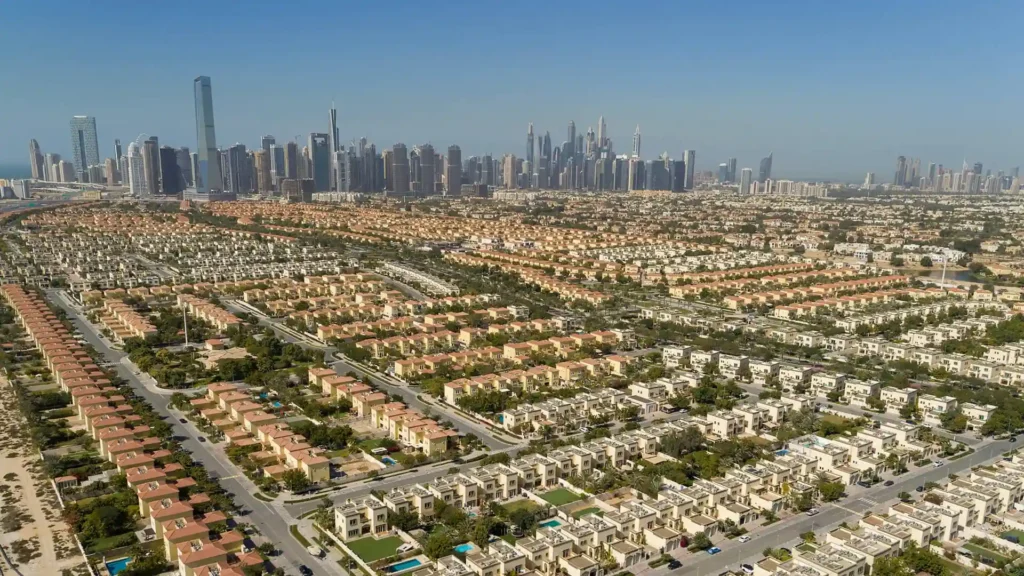
Palm Jumeirah Villa Extension – Rules, Fees, Approval Process & What to Expect
By Eng Amjed / November 16, 2025
Planning a Palm Jumeirah villa extension can be an exciting step toward expanding your living space or upgrading your property’s value. However, it’s also one of the most strictly regulated construction activities in Dubai. Developers such as Nakheel and local authorities like Dubai Municipality oversee all modification and permit approvals to ensure each villa extension complies with community standards, safety codes, and aesthetic harmony. Understanding the villa extension rules in Palm Jumeirah, associated fees, and the step-by-step permit process can help you avoid delays and costly rejections. In this article, you’ll learn everything about obtaining your Palm Jumeirah villa modification approval smoothly and confidently.
Table of Contents

1. Understanding Villa Extension Rules on Palm Jumeirah
Palm Jumeirah, being one of Dubai’s most iconic communities, maintains strict regulations for all villa extension works to protect structural integrity, views, and uniformity across the shoreline. These rules are governed primarily by Nakheel Community Management (NCM) and its Design Review Team.
Key Rules You Must Follow
- Maintain Setbacks: Extensions cannot exceed the boundary lines or obstruct easements between villas.
- Preserve the Architectural Theme: The façade materials, color, and style must match the original Nakheel-approved villa design.
- Respect Neighbors’ Rights: Any extension facing a neighboring property may require a neighbor NOC.
- Avoid Blocking Sea Views: Extensions, decks, or pergolas facing the sea are carefully reviewed to ensure no view obstruction.
- Structural Stability Required: You must submit structural design calculations and stability reports certified by a licensed engineer.
2. Authority Involvement in the Approval Process
A Palm Jumeirah villa extension typically involves three main authorities:
a. Nakheel Design Review
This is the first stage where drawings, layout, and concept are reviewed for aesthetic and zoning compliance.
Documents required:
- Architectural and structural drawings (PDF + CAD)
- Proposed materials and finishes
- Title deed copy and location map
- Villa ownership documents
b. Trakhees (Department of Planning & Development, PCFC)
Once Nakheel issues its NOC, the project must be submitted to Trakhees for technical review and construction permit issuance.
Typical Trakhees requirements:
- Signed structural drawings and calculation report
- Contractor and consultant appointment letters
- Health & Safety and waste management plan
- Proof of Nakheel NOC
c. Dubai Civil Defence (if applicable)
If your extension involves additional rooms, kitchens, or enclosed spaces, a DCD approval may be required to confirm fire and life safety compliance.
3. Palm Jumeirah Villa Extension Fees
The villa extension fees in Palm Jumeirah vary based on the project size, scope, and built-up area increase. Below is a general guideline to estimate your costs:
| Fee Type | Typical Range (AED) | Notes |
|---|---|---|
| Nakheel Design Review Fee | 1,500 – 3,000 | Depends on extension area |
| Nakheel Construction NOC Fee | 3,000 – 5,000 | Paid before construction begins |
| Trakhees Building Permit Fee | 5 – 10 AED per m² | Minimum AED 1,000 |
| Structural Design & Calculation Fee | 3,000 – 8,000 | Depending on complexity |
| Site Supervision / Inspection Fee | 2,000 – 5,000 | Optional but recommended |
Tip: Always confirm updated fees directly with Nakheel or through your consultant, as charges can vary slightly based on plot type and extension area.
4. Step-by-Step Approval Process
Getting a Palm Jumeirah NOC for villa extension involves several key stages. Here’s what to expect:
Step 1: Prepare Concept & Drawings
Hire a licensed consultant or structural engineer to prepare all architectural and structural drawings in compliance with Nakheel standards.
Step 2: Apply for Nakheel NOC
Submit your documents to Nakheel Design Review through the Nakheel Online Services portal. You’ll receive comments within 5–7 working days.
Step 3: Obtain Trakhees Building Permit
After receiving the Nakheel NOC, the consultant applies to Trakhees for a building permit. Trakhees will verify compliance with building and structural codes.
Step 4: Begin Construction
Only Nakheel-approved contractors may perform the work. They must follow approved drawings and maintain safety standards.
Step 5: Final Inspection & Completion Certificate
Upon completion, Trakhees inspects the work and issues the completion certificate, which you can upload to Nakheel for record updates.
5. Common Mistakes That Delay Approvals
Even well-prepared applications can be delayed due to small oversights. Watch out for these:
- Submitting incomplete drawings or outdated title deeds.
- Missing neighbor NOC when the extension affects adjacent properties.
- Using non-registered contractors.
- Modifying design after Nakheel approval without resubmission.
- Overlooking structural stability checks for additional loads.
Pro tip: Partnering with an experienced consultant familiar with Nakheel’s system can reduce your approval timeline by up to 40%.
6. What to Expect During and After the Process
A realistic timeline for a villa extension permit process in Palm Jumeirah is:
- Nakheel Review: 7–10 working days
- Trakhees Permit Review: 10–15 working days
- Construction Phase: 1 – 3 months (depending on scope)
After completion, you’ll need to:
- Upload the completion certificate to Nakheel Online Portal.
- Schedule a final inspection for record closure.
- Update your as-built drawings if requested.
7. Why Hire a Professional Engineering Consultant
A certified engineering consultant plays a vital role in ensuring your project meets both Nakheel developer villa extension guidelines and Dubai Municipality standards.
Professional consultants help you:
- Prepare accurate structural designs
- Avoid costly rejections
- Communicate directly with Nakheel and Trakhees
- Ensure compliance with fire, safety, and load requirements
- Save time through professional submissions

Frequently Asked Questions
Q1: How do I apply for a Palm Jumeirah villa extension approval?
A: You must apply online through the Nakheel portal, submitting drawings prepared by a licensed consultant. Once the NOC is issued, your consultant applies to Trakhees for a construction permit.
Q2: Do I need structural calculations for a small pergola or canopy?
A: Yes. Even lightweight pergolas require structural calculations to prove stability and compliance with wind-load standards on Palm Jumeirah.
Q3: How much do villa extension fees in Palm Jumeirah cost on average?
A: Expect to spend between AED 10,000 – 20,000 for all approvals, design, and submission costs, excluding construction.
Q4: Can I build before receiving the Nakheel NOC?
A: No. Starting construction before approval is considered a violation, which can lead to fines or a retrospective NOC requirement with penalties.
Q5: How long does the entire approval process take?
A: On average, 3 – 6 weeks depending on completeness of documents and review comments. Working with a consultant experienced in Palm Jumeirah NOC villa extension projects speeds up the process.
Conclusion
Planning your Palm Jumeirah villa extension the right way can make all the difference between a quick approval and months of delay. Following Nakheel’s guidelines, coordinating with Trakhees, and ensuring complete documentation are key to success.
Call to Action
If you need expert assistance with civil engineering, structural design, or building permit approvals in Dubai, the team at Structural Solutions is ready to help. Contact us on WhatsApp or email us at info@structuralsolutions.ae We’ll ensure your project meets all Dubai Municipality standards with precision and professionalism.